The wrong flange: how a routine isolation task became a three-day refinery fire

01What happened
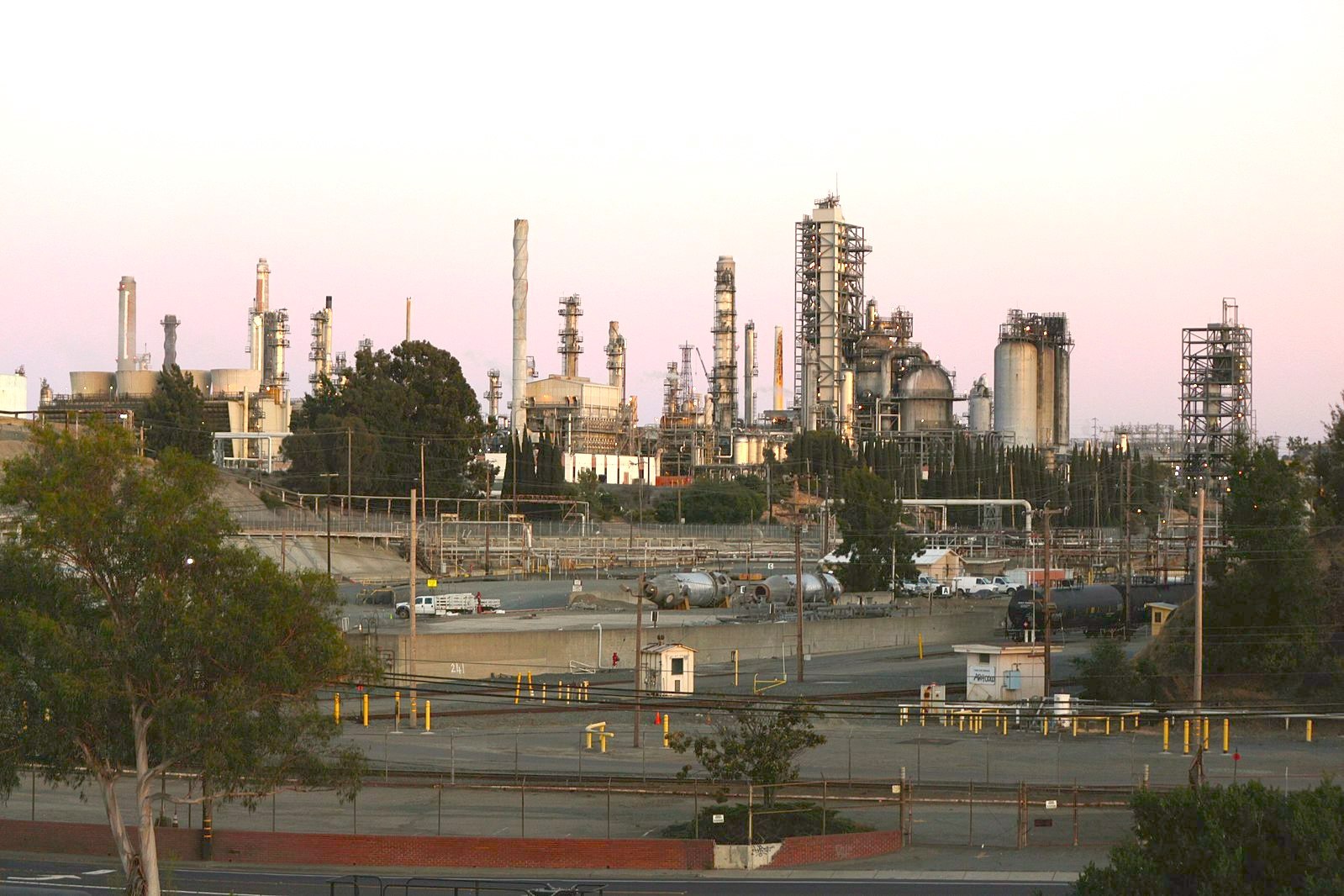
On the afternoon of February 1, 2025, contract steam fitters at the PBF Energy Martinez refinery were preparing a hot-oil system for turnaround maintenance. Their task was precise: install a metal blind at a specific flange — Flange 3 — to isolate a section of the system.
Instead, the crew loosened the bolts on Flange 4, an adjacent connection on live equipment. Approximately 600°F catalytic cracker intermediate reflux sprayed out and ignited on contact. The resulting fire burned for three days, injured six workers, forced shelter-in-place advisories for surrounding communities, and shut down the refinery. The U.S. Chemical Safety Board (CSB) later put property damage at approximately $924 million — one of the costliest U.S. refinery losses in years.
02What the investigations found
An independent investigation commissioned by Contra Costa County health officials (conducted by JEM Advisors and presented in June 2025) attributed the fire to human error compounded by systemic gaps:
- The contract crew opened the wrong flange — the work was performed at a point that did not match the work authorization.
- Contract workers were inexperienced, and training and field supervision were inadequate for the hazard involved.
- The crew exceeded the timing of their work permit — the permit-to-work process existed on paper but did not control the work in the field.
- There was no confirmation that contract workers understood the most significant process hazards and simultaneous-operations hazards at the unit.
The CSB opened its own investigation into the incident, which it has cited among a series of recent refinery events involving turnaround and mechanical-integrity work.
03The inspection gap
Every safeguard in this event lived on paper. The permit named the right flange. The procedure described the right task. The checkbox, had the job finished quietly, would have been ticked. What was missing was any mechanism at the point of work that could confirm the crew's hands were on the equipment the permit described — before the first bolt turned. When supervision is stretched across a turnaround with hundreds of contractors, "the right people watched the right step" becomes an assumption, not a fact.
How SureSight closes this gap
SureSight puts a second set of eyes at the exact place paper can't reach: the inspector's or fitter's own point of view. Smart glasses stream first-person video to an on-prem GPU server inside the refinery's network, where computer vision verifies the work — step by step, in real time.
Point-of-work identity check. Before an isolation begins, SureSight verifies that the equipment in view — the tag, the flange, the valve — matches the work authorization. A crew standing at the wrong flange gets flagged in the moment, not in the incident report.
Permit-to-work, enforced by evidence. Investigators found the crew exceeded their permit window. SureSight timestamps every verified step against the permit, so an expired or out-of-sequence permit surfaces immediately — to the crew and to supervision.
Supervision that scales with turnarounds. The report cited inexperienced contractors and thin oversight. With SureSight, a single supervisor can see the first-person view of critical steps across multiple crews, and every verified step becomes part of an objective record — the same skilled people, backed by verification instead of assumption.
Sources & further reading
- KQED — Massive Martinez Refinery Fire Caused by Human Error, Investigation Finds
- Local News Matters — Report blames contractor errors, oversight failures in February fire
- City of Martinez — PBF Energy Refinery Fire, February 2025 (official information page)
- U.S. Chemical Safety Board — Investigations