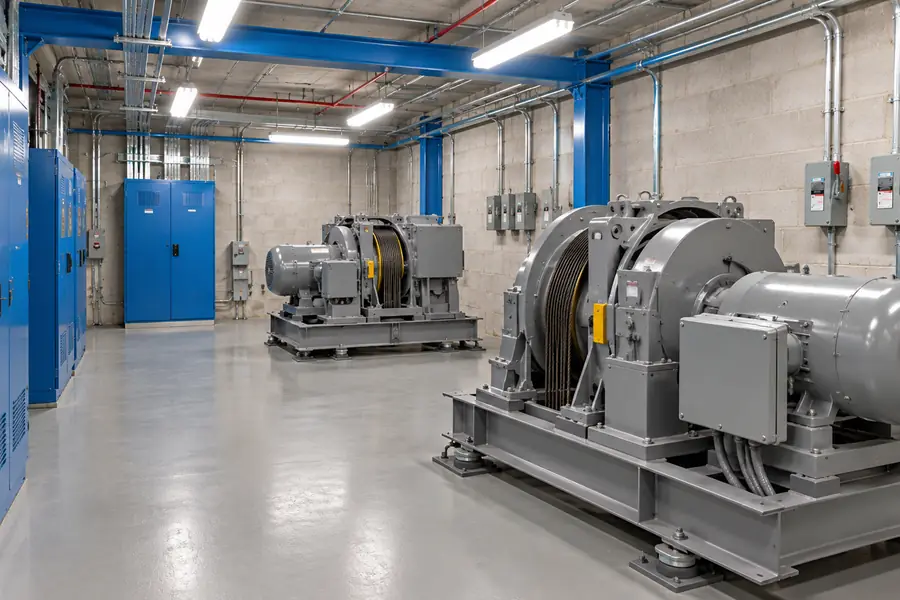
Machine room and controller
The traction machine, brake, governor and controller, checked in the machine room or machine space.
- Confirms
- Each machine-room item in the procedure was viewed.
- Flags
- Items skipped during the visit.
SureSight verifies elevator, lift and escalator maintenance step by step. The technician wears camera-equipped eyewear, and computer vision confirms each item of your maintenance procedure as it's done.
Building owners get a record of what was actually serviced, not just a signature in the log.
Elevator maintenance is spread across many buildings, usually with one technician per visit and a long route to cover. Nobody else sees the work.
Building owners and facility managers are responsible for their elevators and escalators. What they get from a service visit is usually a log entry, and they can't tell a thorough visit from a short one.
A maintenance log shows a date and a signature. It doesn't show whether the door equipment was checked, or the hoist ropes looked at, on that visit.
Elevator and escalator maintenance requirements come from safety codes, the manufacturer, and the authority that permits the equipment to operate. These are the ones most often cited in the US and Singapore.
The North American code for design, installation, inspection, testing and maintenance. Jurisdictions adopt specific editions, so the one you're held to depends on where the equipment is.
Step-by-step inspection and test methods. It's guidance rather than a mandatory code, and widely used by inspectors.
Minimum safety requirements that jurisdictions can apply to equipment already in service.
Lifts must be maintained at least monthly, or more often if the manufacturer recommends it, and escalators monthly. Most units also need an annual examination and test, witnessed by an independent engineer, and a valid Permit to Operate.
SureSight produces evidence that inspections and maintenance steps were done, which is what these programs ask you to show. It doesn't replace your inspection program, your qualified staff, or your regulator.
Each application is set up from your maintenance procedures and trained on the equipment you service.
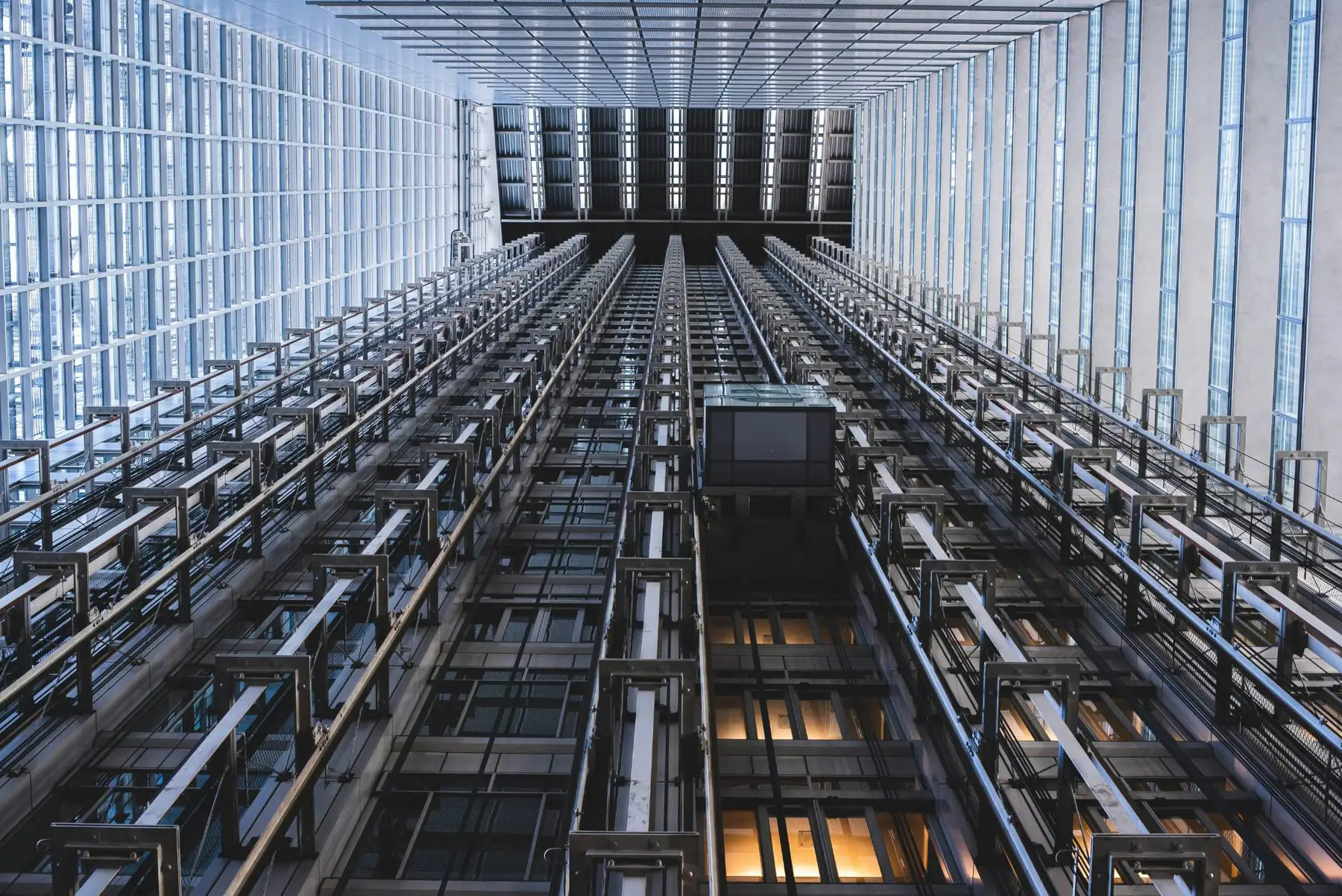
The traction machine, brake, governor and controller, checked in the machine room or machine space.
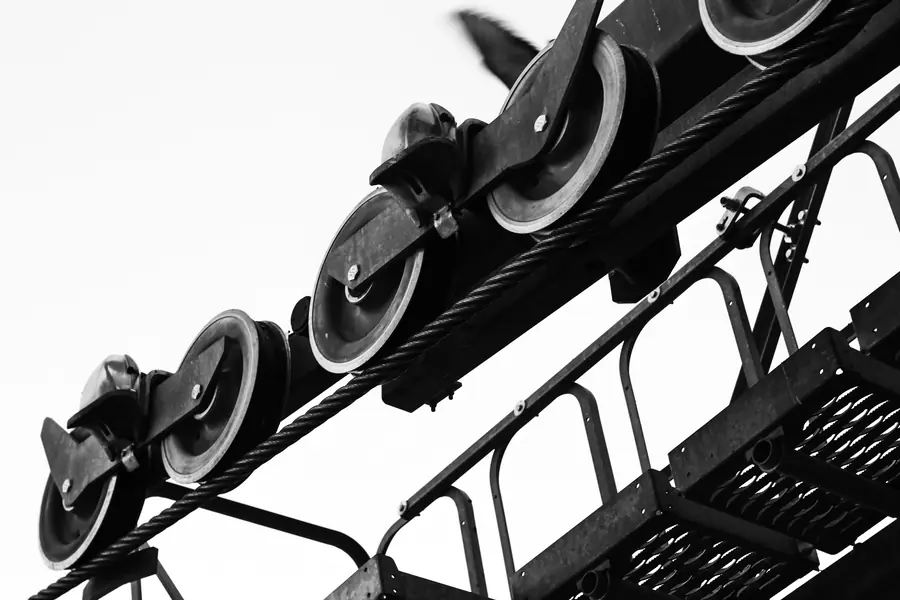
Hoist ropes, sheaves and rope terminations.
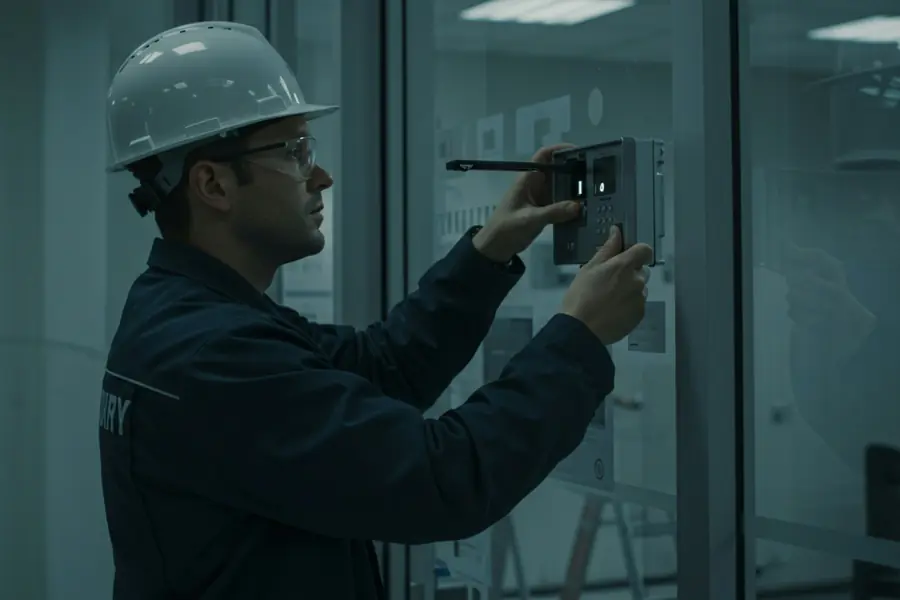
Door operators, door edges and sensors, interlocks and landing door equipment.
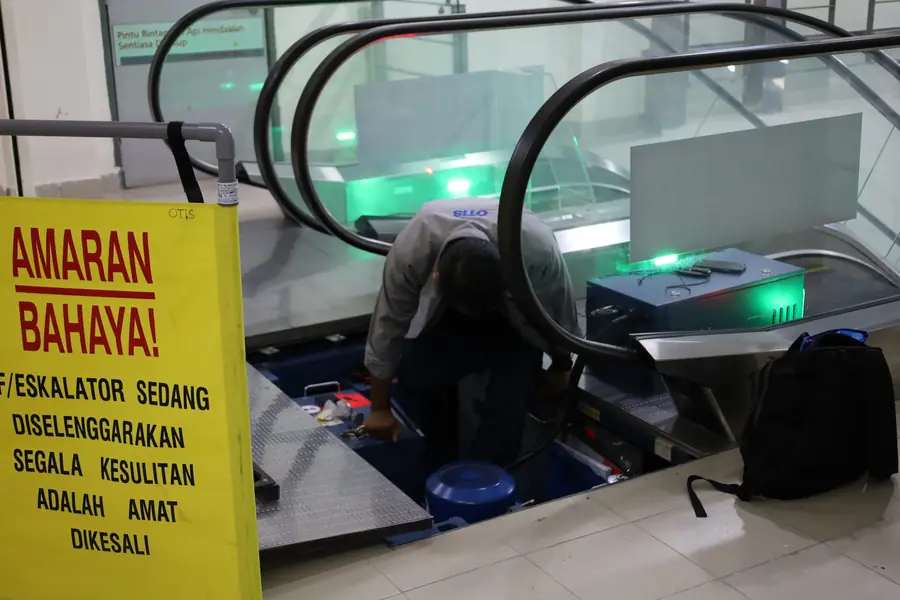
Steps, comb plates, handrails, skirt panels and safety devices.

A visit summary that the building owner or facility manager can see.
Your data, your rules. Where SureSight runs, what it keeps, and who can see it are set for each deployment. It can run entirely on a server inside your network, with no video kept after verification. Storage is optional and follows your retention policy. SureSight verifies the work, not the worker: identity isn't needed to verify an inspection. Security & Data →
Yes. Each visit produces a record of which units and items were serviced, and when. Who can see it is up to you and your customer.
No. They follow the same procedure, wearing camera-equipped eyewear, and there's no extra paperwork.
Coverage in machine rooms, hoistways and pits varies by building. How capture and upload work where there's no signal is part of the pilot setup.
No. SureSight verifies the work, not the worker. The computer vision model is designed to recognize elevator and escalator equipment, not people, and personally identifiable information is not retained.
No. Statutory inspections and examinations still happen as required. SureSight adds evidence for the routine maintenance between them.
Yes. Lifts and elevators are the same equipment, and SureSight is set up from your own maintenance procedure, whichever code you work under.
We'll set up SureSight on one technician's route or one building, with your procedure, and show you and the owner the record it produces.
SureSight's founder, Eddy Castaneda, spent 15 years engineering safety-critical conveyance systems, including elevators, trains and ride vehicles, at major theme park operators. Read the SureSight story →