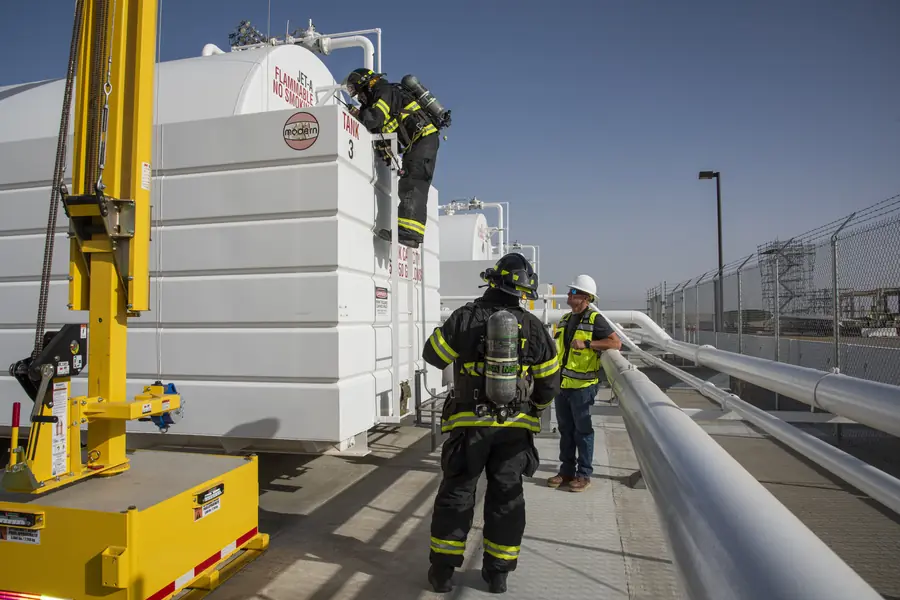
Confined-space pre-entry
Gas testing, ventilation, the entry permit, the attendant and rescue arrangements.
- Confirms
- Each pre-entry step was done and viewed before entry.
- Flags
- An entry with no recorded gas test or no attendant.
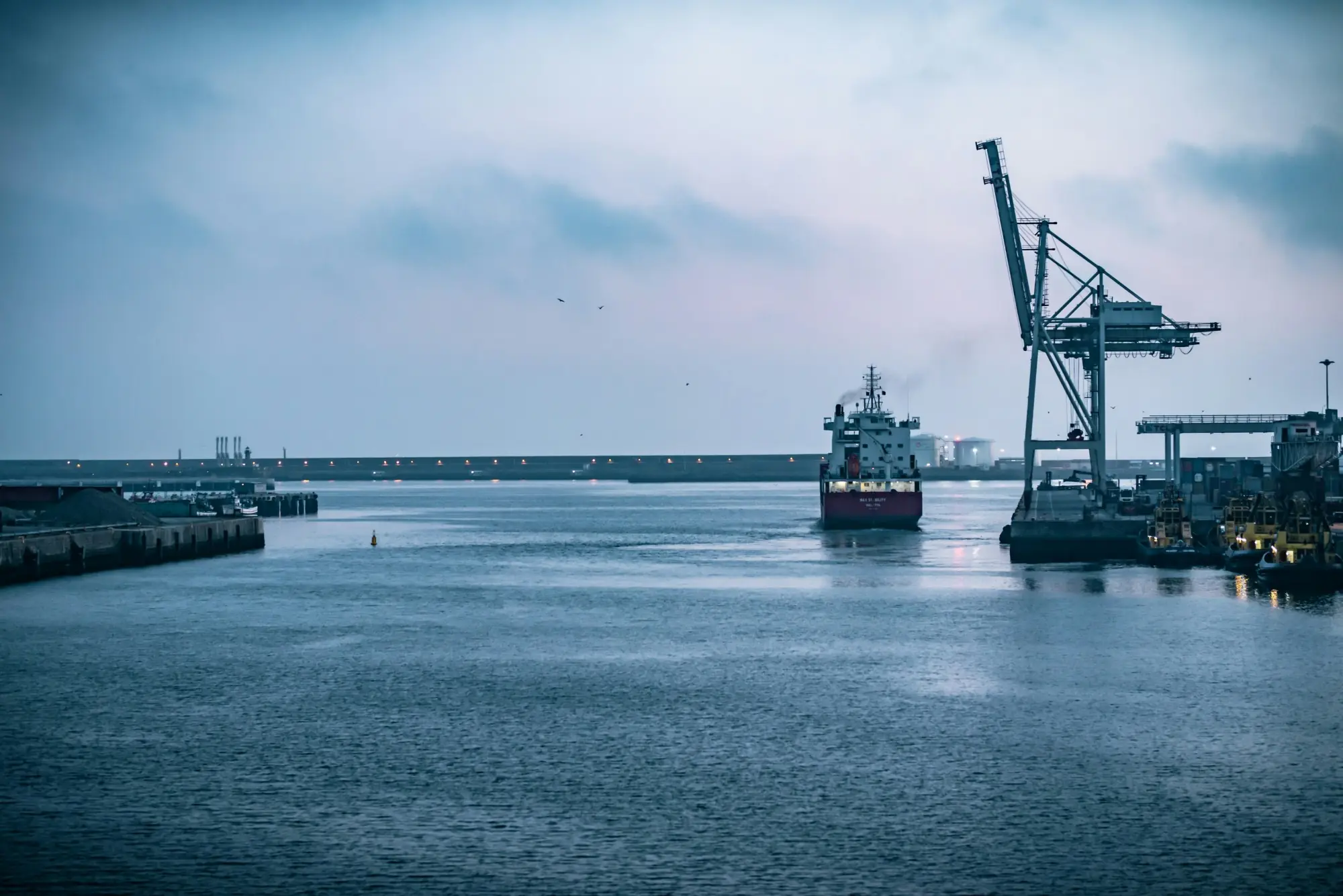
SureSight verifies safety-critical checks in shipbuilding, ship repair and port operations. Supervisors and crews wear camera-equipped eyewear, and computer vision confirms each step of the permit or checklist as it's done.
Anything it can't confirm is flagged before the work goes ahead.
Inside tanks, double bottoms and pipes, work happens where no supervisor can see it. The safeguards depend on checks made at the entry point, by the crew, before anyone goes in.
Shipyards and port projects run on subcontractors. The permit belongs to one company and the work to another, and the checks can fall into the gap between them.
Lifting operations depend on rigging checks and exclusion zones that take minutes to set up and seconds to skip. Once the load is in the air, a missed check can't be made up.
Shipyard and port safety rules are specific about confined spaces, lifting and hot work. These are the ones most often cited in Singapore and the US.
Requirements for shipyards and ships in harbor, including competent persons and approved safety training before hazardous work.
A risk assessment, an entry permit, a confined space safety assessor, an attendant and a rescue plan for confined-space work.
A lifting plan and a responsible person before any lifting operation.
Rules for confined and enclosed spaces and other dangerous atmospheres in shipyards, including testing before entry.
OSHA's safety standards for marine terminal operations, including cargo handling gear and equipment.
SureSight produces evidence that inspections and maintenance steps were done, which is what these programs ask you to show. It doesn't replace your inspection program, your qualified staff, or your regulator.
Each application is set up from your permits and checklists and trained on your yard or terminal.
Gas testing, ventilation, the entry permit, the attendant and rescue arrangements.
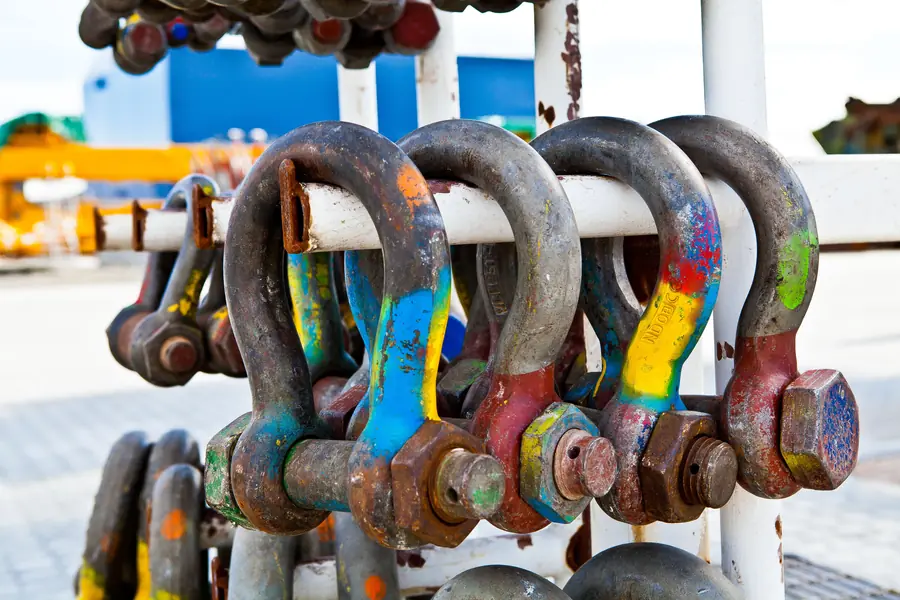
Slings, shackles, hooks, tags and the rigging setup before a lift.
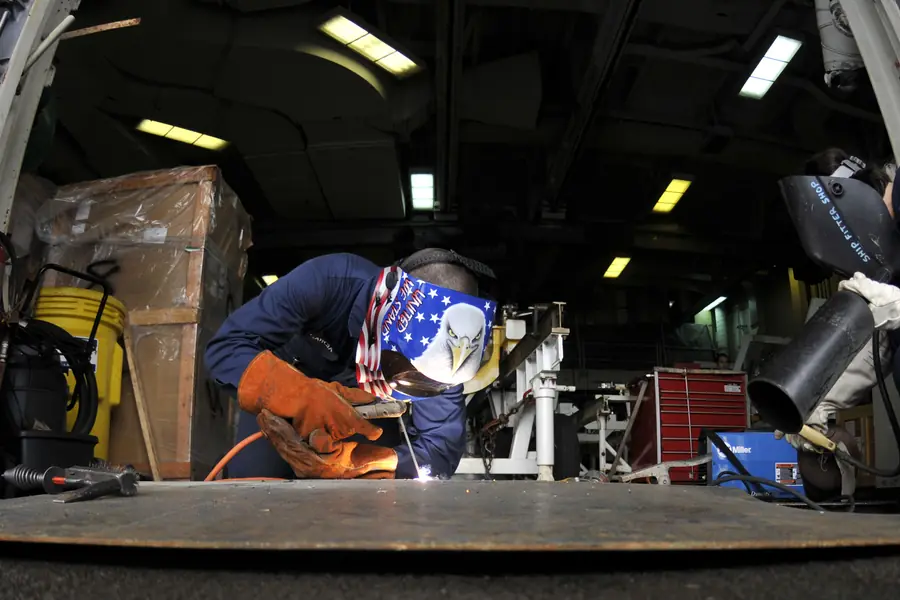
The hot-work permit, fire watch, extinguishers and cleared combustibles.
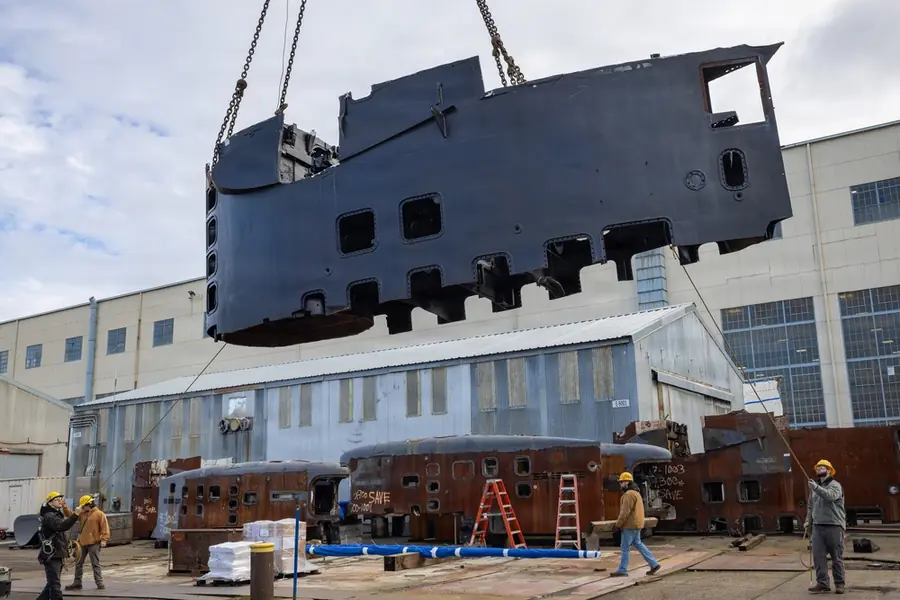
Barricades and exclusion zones under lifts and work at height.
Your data, your rules. Where SureSight runs, what it keeps, and who can see it are set for each deployment. It can run entirely on a server inside your network, with no video kept after verification. Storage is optional and follows your retention policy. SureSight verifies the work, not the worker: identity isn't needed to verify an inspection. Security & Data →
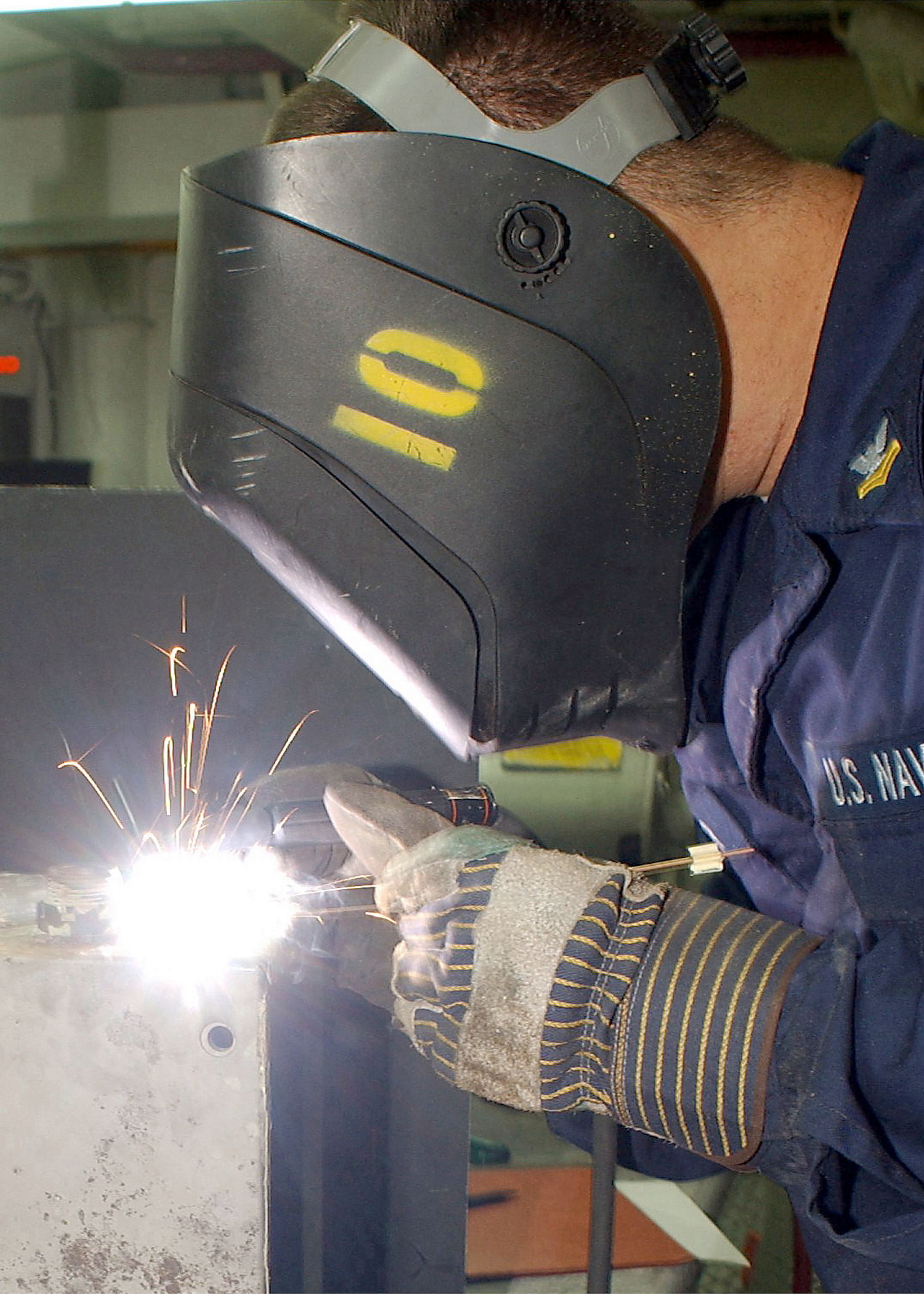
A welder was found unconscious inside a narrow pipe. The question is what was checked, and witnessed, before he went in.
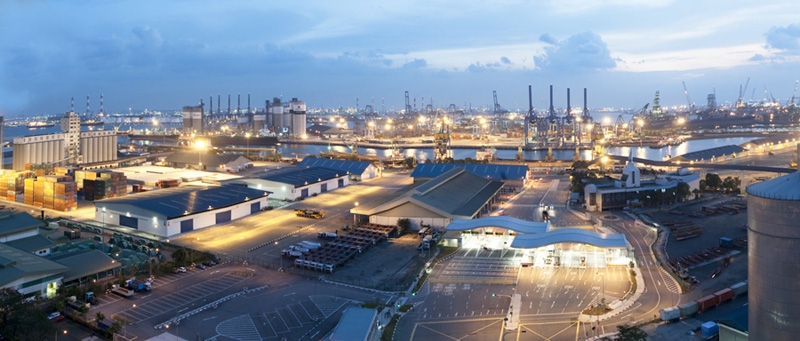
Formwork fell from the fifth storey onto an occupied lorry below. Pre-lift checks and the drop zone are where the gap opened.
The case studies are drawn from official investigations and public reporting. The organizations named are not SureSight customers, and the case studies don't claim that SureSight would have prevented any specific event.
Yes. That's one of the main reasons to use it. Subcontractors use the same eyewear and the same checks, and their work is recorded the same way.
Enclosed spaces, low light and poor signal are among the conditions tested during the pilot. If a check can't be confirmed in those conditions, it goes to a supervisor instead of being marked done.
No. Permits, assessors and supervisors stay as they are. SureSight adds evidence that the checks on the permit were actually done.
Yes. Lifting operations, exclusion zones and equipment checks are common to both.
That's your choice. SureSight can run on a server inside your network, with no video kept after verification. See Security & Data.
We'll set up SureSight on one type of check, such as confined-space entry, with your permits and your crews, and show you the record it produces.