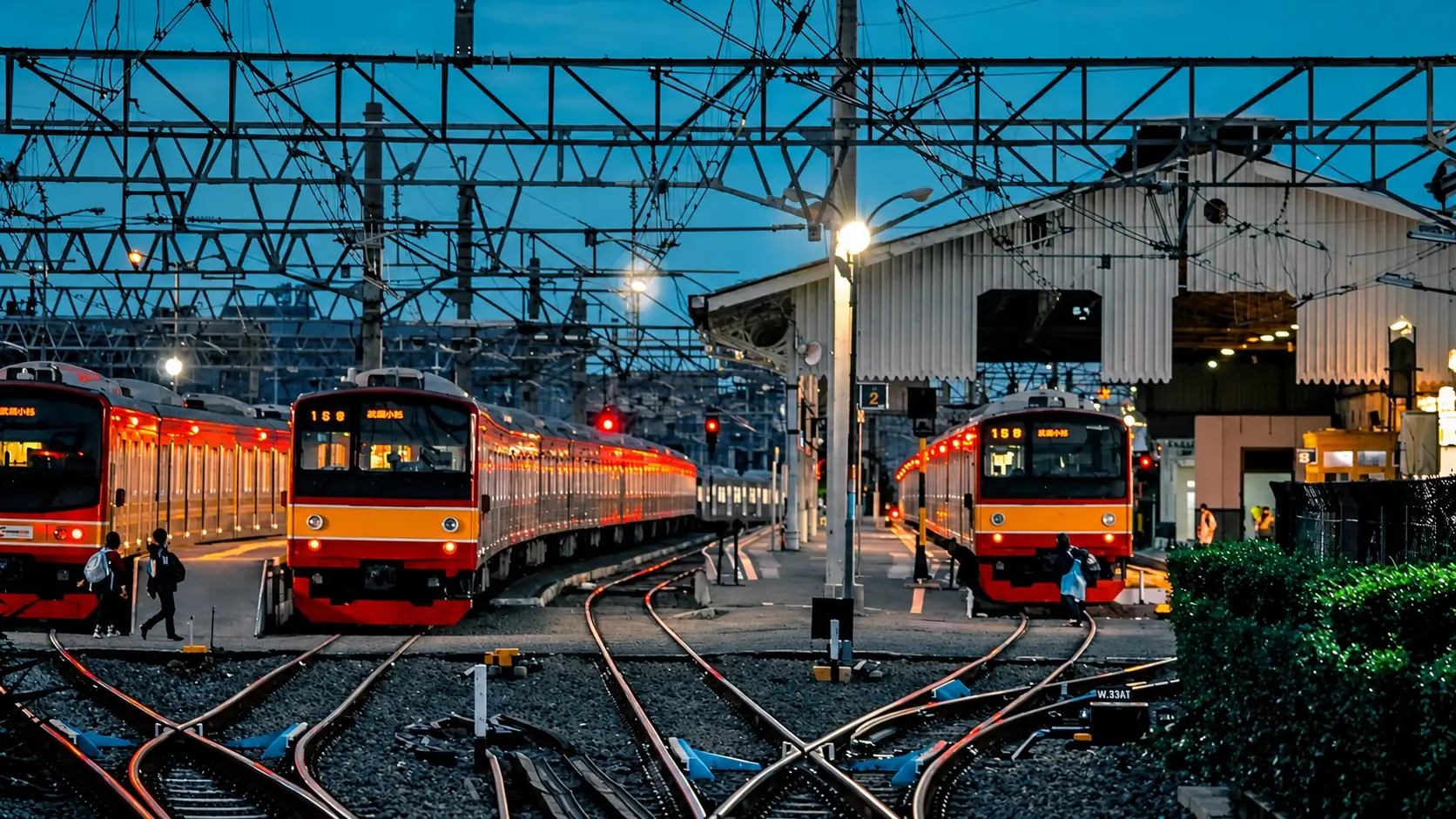
Commuter trains at a rail depot at dusk, under overhead wires and gantries, with switches in the foreground
Industries · Rail & Transit

Verified rolling stock and track inspections

SureSight verifies rail inspections step by step. The technician in the pit or on the track wears camera-equipped eyewear, and computer vision confirms each item of your procedure as it's inspected. Anything it can't confirm is flagged.

It's built for depot maintenance, track inspection, and the handback at the end of engineering hours.

The problemEvery train checked, every night, in a fixed window

A short window, every night

Depot inspections and track work happen between the last train and the first. Every train has to be checked and every possession handed back on time, so the pressure to finish is built into the schedule.

Hard places to see

Underframe and bogie checks happen in pits, in low light and awkward positions. Track walks cover long distances, with the same items over and over. Those are the conditions where a step gets skipped without anyone noticing, sometimes including the inspector.

Records completed after the fact

Inspection sheets are often completed or entered at the end of a shift. The record says the train was inspected. It can't say which items were looked at, or how closely.

Regulations & standardsThe rules your maintenance program already follows

Rail inspection requirements come from the safety regulator, the operator's own maintenance plan, and the equipment manufacturer. These are the ones most often cited.

SureSight produces evidence that inspections and maintenance steps were done, which is what these programs ask you to show. It doesn't replace your inspection program, your qualified staff, or your regulator.

ApplicationsWhat SureSight verifies in the depot and on the track

Each application is set up from your maintenance procedures and trained on your rolling stock and infrastructure.

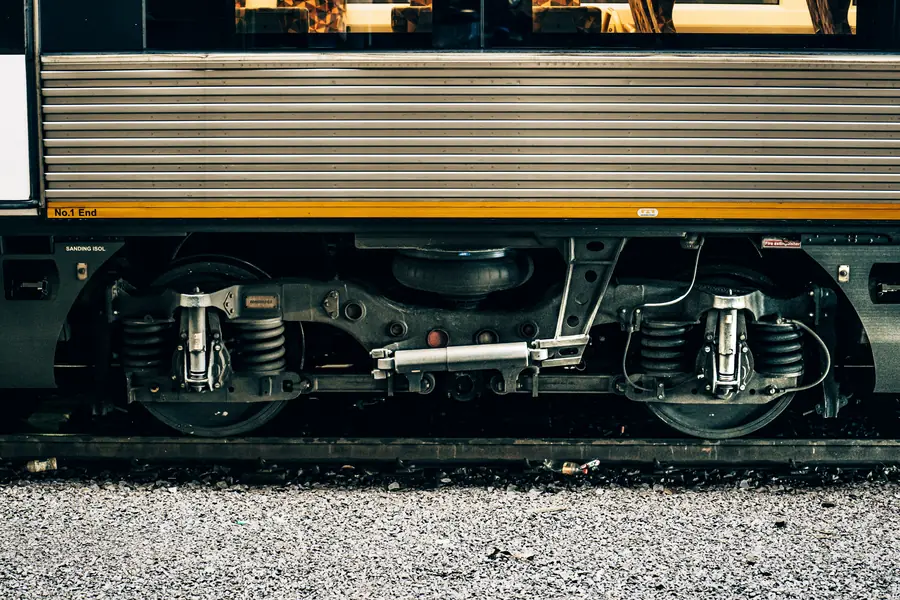
Close-up of a train's wheels and running gear on the track

Bogie and underframe

Springs, dampers, axle boxes, wheelsets and underframe equipment, inspected from the pit.

Confirms
Each bogie and underframe item in the procedure was viewed, car by car.
Flags
Cars or items that were missed, and visible damage for the technician to assess.
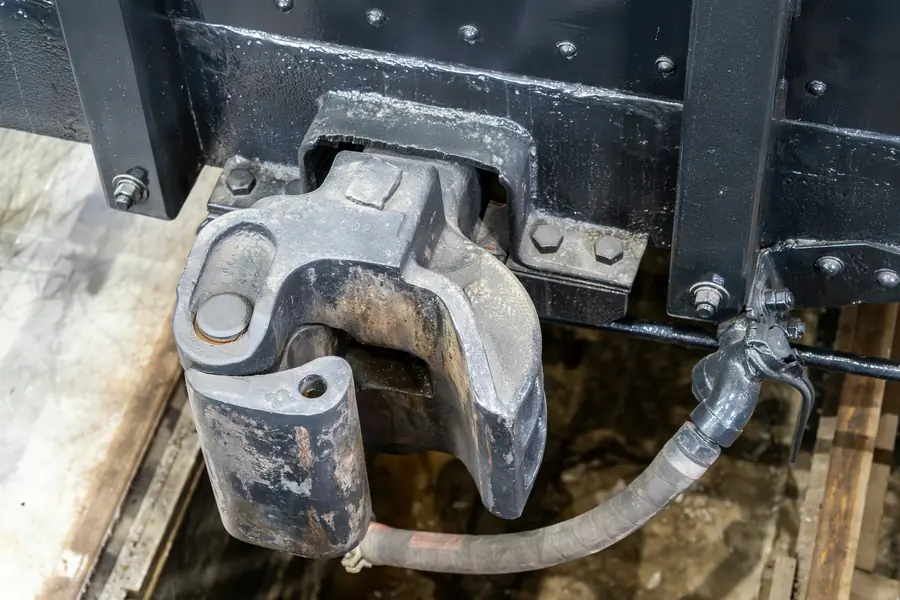
Close-up of a heavy-duty coupler between rail cars

Brakes and couplers

Brake pads and discs, brake rigging, and couplers between cars.

Confirms
Each brake unit and coupler on the train was inspected.
Flags
Units that were skipped, or views too poor to confirm.
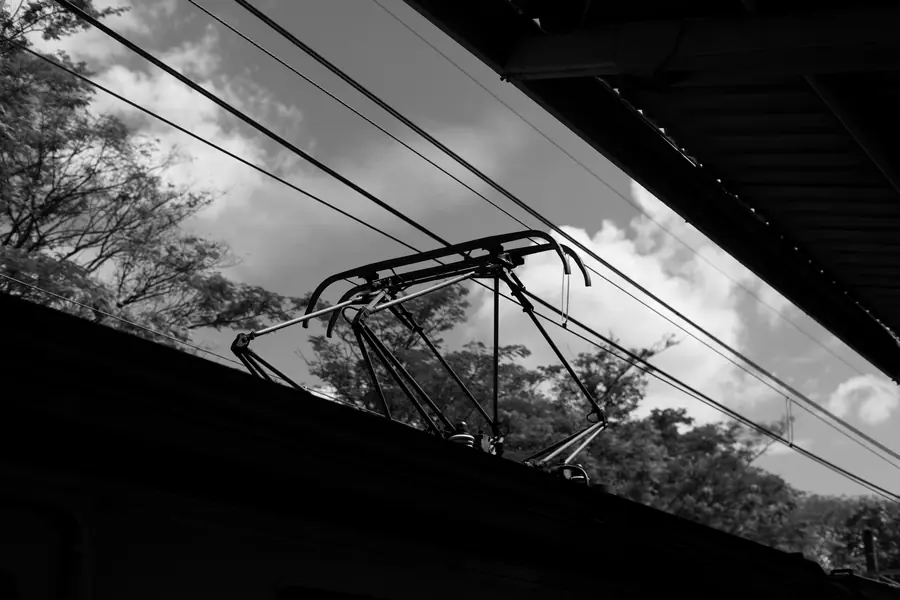
A pantograph on a train roof against the sky, in black and white

Pantograph and roof equipment

Pantographs, current collectors and roof-mounted equipment, checked from the roof platform.

Confirms
Roof equipment on each car was viewed during the inspection.
Flags
Pantographs or roof items with no recorded view.
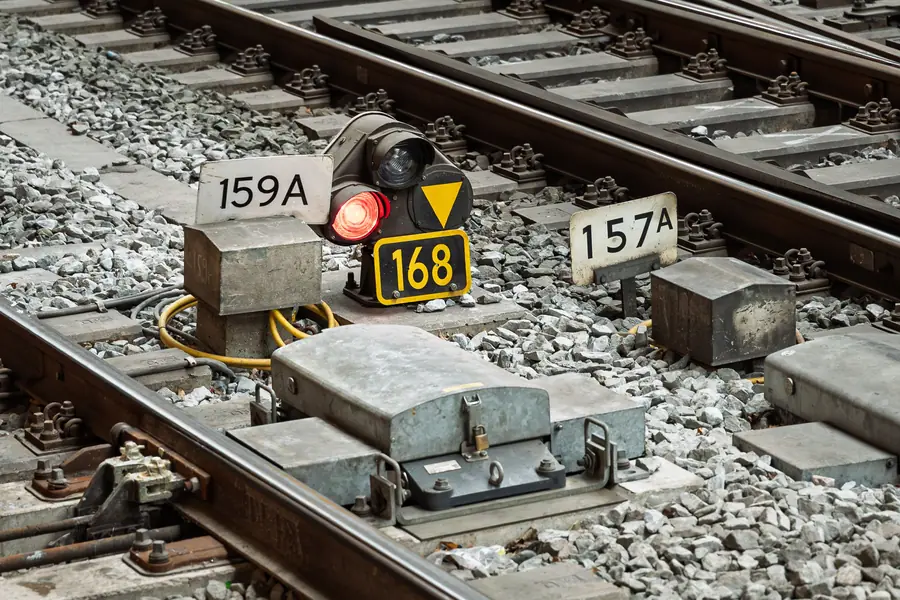
Railroad switch machinery and signals on the track ballast

Track and switches

Rails, fastenings, ties (sleepers) and switches on walking inspections.

Confirms
The listed components at each switch were inspected, with the time of inspection.
Flags
Switches or track sections with no inspection evidence.
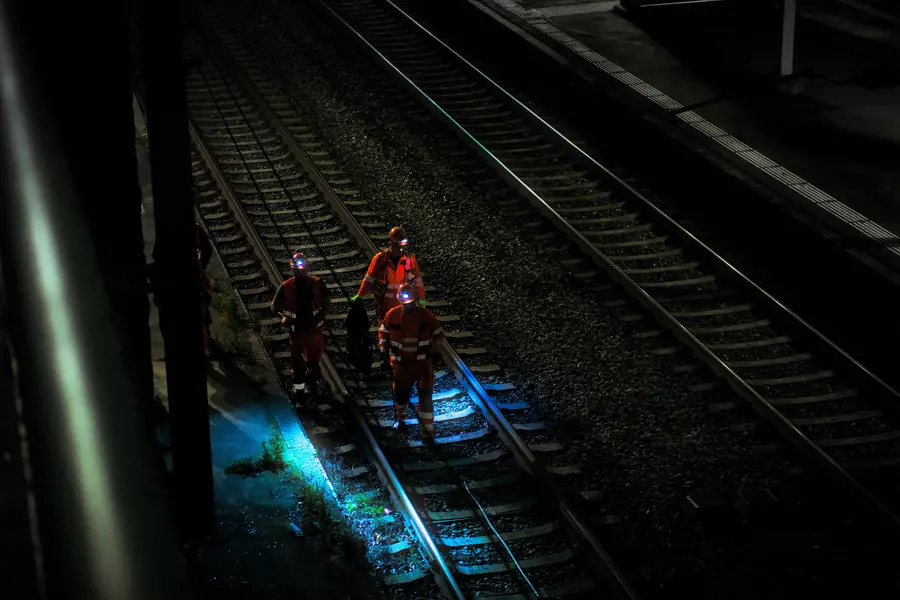
Rail workers on the track at night under work lights

Engineering hours and handback

Work done during engineering hours, from the first step to the handback.

Confirms
Each step of the work order was done before the line was handed back.
Flags
Steps without evidence, before the line returns to service.

How it fitsIt fits your depot, your fleet and your maintenance plan

Your data, your rules. Where SureSight runs, what it keeps, and who can see it are set for each deployment. It can run entirely on a server inside your network, with no video kept after verification. Storage is optional and follows your retention policy. SureSight verifies the work, not the worker: identity isn't needed to verify an inspection. Security & Data →

FAQQuestions rail maintenance teams ask

Does it work in a dark pit or a tunnel?

Low light is one of the conditions tested during the on-site pilot. When lighting makes a step impossible to confirm, the step is flagged for follow-up, not passed.

Do we need network coverage on the track?

The eyewear connects to a SureSight server. How that works in your depot and on your line, including places without coverage, is set up and tested during the pilot.

Can it connect to our maintenance management system?

Each inspection produces a structured record. Connecting it to your existing system is part of the deployment scope.

Can the data stay on our network?

Yes, that's one of the options. SureSight can run on a server inside your network, with no video kept after verification. See Security & Data.

Is it watching our staff?

No. SureSight verifies the work, not the worker. The computer vision model is designed to recognize rail equipment, not people, and personally identifiable information is not retained.

Does it cover track as well as rolling stock?

Yes. Both are inspections against a procedure. Most pilots start with one, usually a depot inspection, because the setting is controlled.

Start with one inspection in your depot

We'll set up SureSight on one inspection type, with your procedure and your technicians, and show you the record it produces.

See if it fits your inspection

SureSight's founder, Eddy Castaneda, spent 15 years engineering safety-critical conveyance systems, including trains, ride vehicles and elevators, at major theme park operators in Japan, China and the United States. Read the SureSight story →